We were back in North Yorkshire for Christmas, properly back this time. Long enough to see friends rather than just exchange messages, long enough to sit at tables that went on a bit too long, and long enough for our dog, Bertie, to remember exactly which houses he expects treats in. Between lunches, catch ups, and the dog being passed around like a shared responsibility, we found ourselves with one free morning. Cold, bright, and windy enough to feel honest. So we drove out towards the edge of Ryedale with no real plan beyond walking and coming back pink faced.
Somewhere near the Hambleton Hills we parked up, pulled on hats, and Bertie immediately stopped. Not the usual damp grass complaint or the half-hearted refusal when it’s raining. This was different. He stood still, stared at the ground, and refused to move. Patricia said he was probably picking up a scent. I said he was being dramatic. Bertie stayed exactly where he was and stared harder.
We hadn’t even reached the Windypits yet.
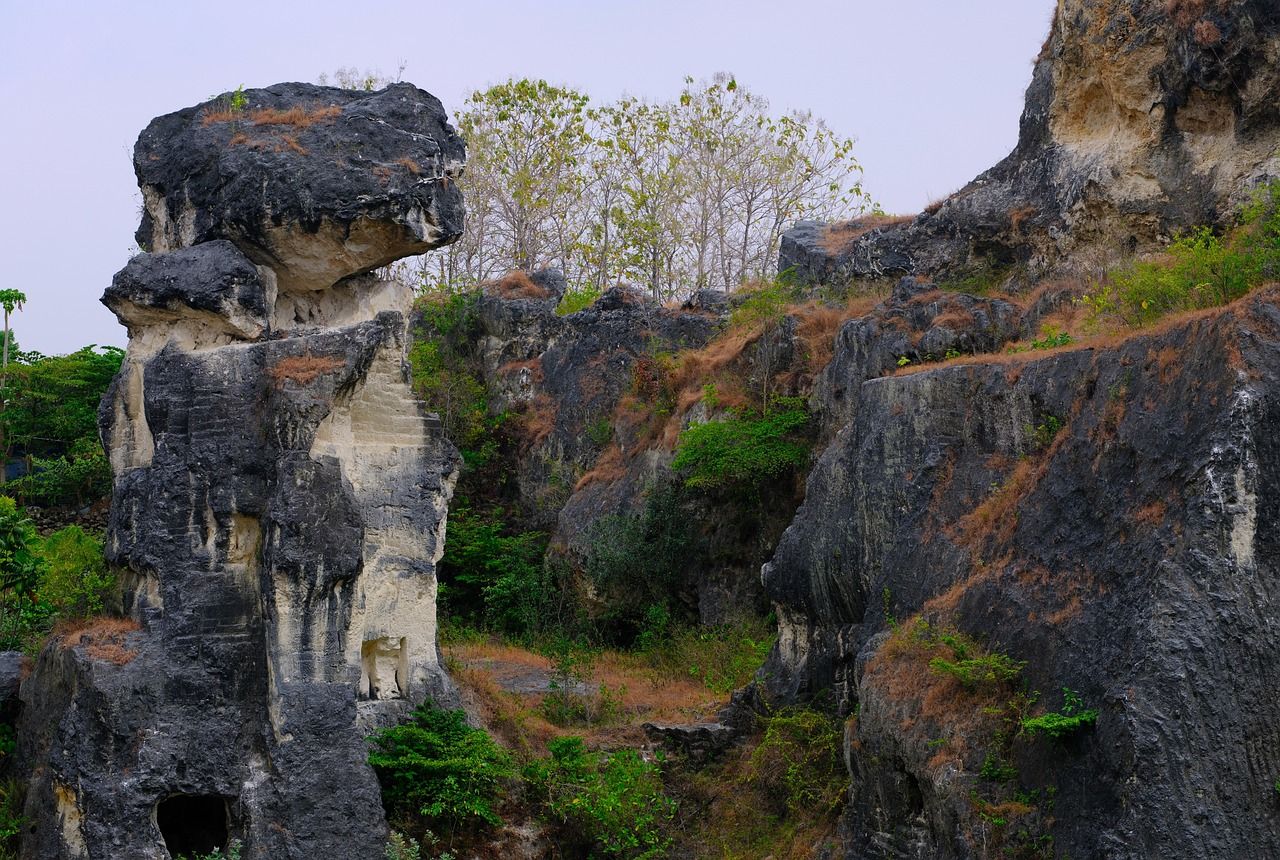
The Windypits don’t announce themselves. There’s no grand arrival, no viewpoint, no sense that you’re meant to be impressed. The land just opens slightly, then tightens again, and somewhere amongst the grass and limestone are narrow fissures that look wrong. Not dramatic. Just wrong, as if the ground split and never quite finished the job.
They’re natural cracks in the limestone, running deep underground, and what makes them unsettling is the air. Cold air sinks, warmer air rises, and the pits breathe because of it. Even on a still day, you can feel movement. A steady push of cold air lifting out of the ground. On a day like ours, with the wind already working across the hills, it felt as though the land was answering back.
Bertie refused to negotiate. He edged forward once, sniffed, and reversed with dignity.
People didn’t always leave these places alone. Archaeological finds suggest the Windypits were used for burials thousands of years ago. Human remains, tools, fragments of life lowered into the ground and forgotten. Later they gathered stories instead. Bottomless pits. Animals disappearing. Places best avoided. Standing there, with cold air lifting from somewhere you can’t see the end of, it’s easy to understand why.
Today, many of the Windypits are protected, and rightly so. You don’t get close. You don’t peer in. You don’t test anything. The interest is simply in knowing they’re there, quietly doing what they’ve always done while the land above carries on.
The walk itself was uncomplicated. Mud where you expect it, stiles that required discussion, Patricia reading the information boards properly while I skimmed and missed something important. The hills rolled away in that familiar North Yorkshire way, not dramatic, just solid. You could feel the weather working through layers, the kind that reminds you you’re outside and supposed to be.
We didn’t linger near the pits. Not out of fear exactly, more a sense that staying wasn’t the point. Some places don’t ask for that. Bertie was visibly relieved when we turned back, trotting ahead as if to prove he’d been fine all along.
We ended up somewhere warm, mugs on the table, gloves drying over radiators. Patricia said it was a good walk. I agreed. Yorkshire still has corners that don’t explain themselves, and that felt like a decent thing to be reminded of before Christmas lunches resumed and everyone started asking the same questions in slightly different orders.
